
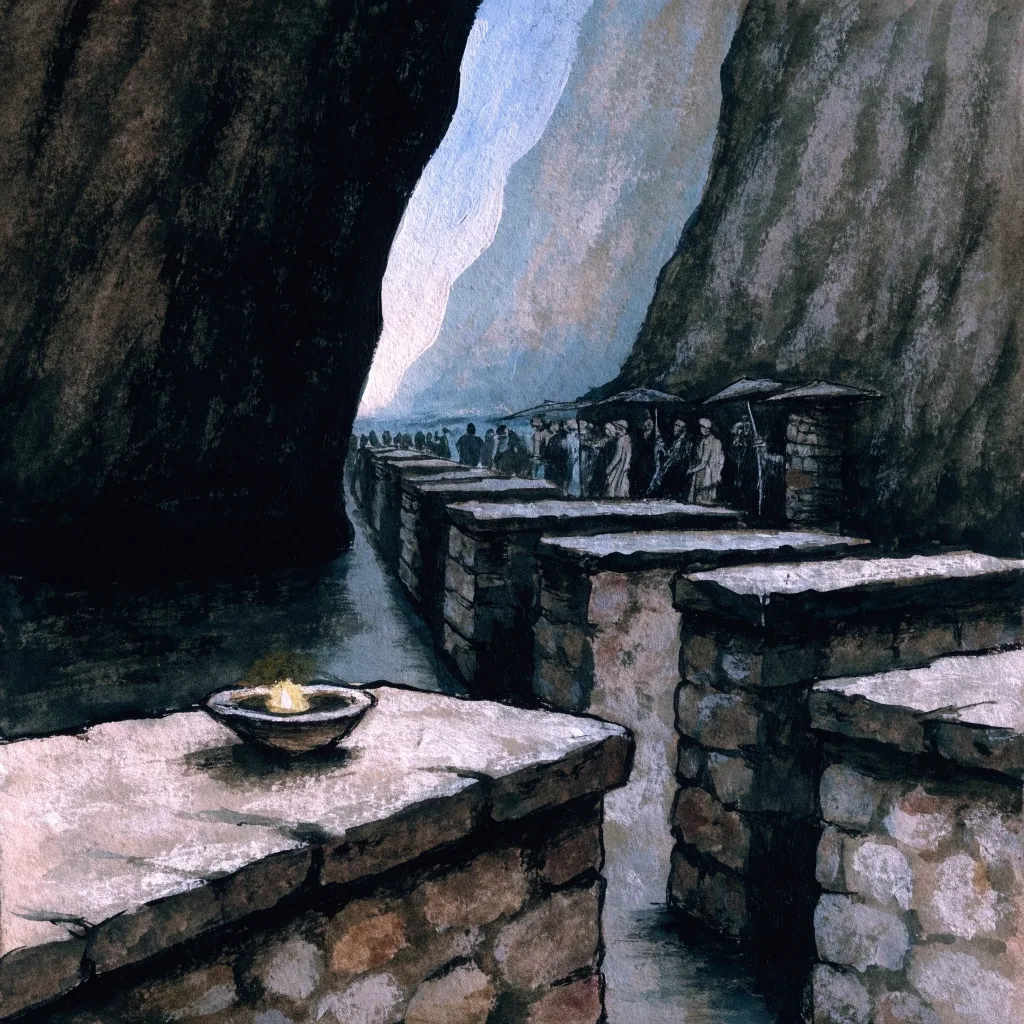
End-to-end product builds
Scoping week · Milestone builds
We take an idea from concept to a store-ready build you can install on a real device — iOS and Android native, cross-platform, or a PC and console slice.
Studio
+44 20 7924 0137 [email protected]12 Clerkenwell Road, London EC1M 5PQ, United Kingdom
Monday to Friday, 9:00 AM – 6:00 PM
Riverstone Holdings · London
We build apps and games from first brief to launch — across iOS, Android, PC and console. Scoping week in, installable build out.
Every engagement starts with a scoping week. We read your brief, ask what the product has to do on day one, and cut it down to the smallest version that still stands on its own.
Scoping week · Milestone builds
We take an idea from concept to a store-ready build you can install on a real device — iOS and Android native, cross-platform, or a PC and console slice.
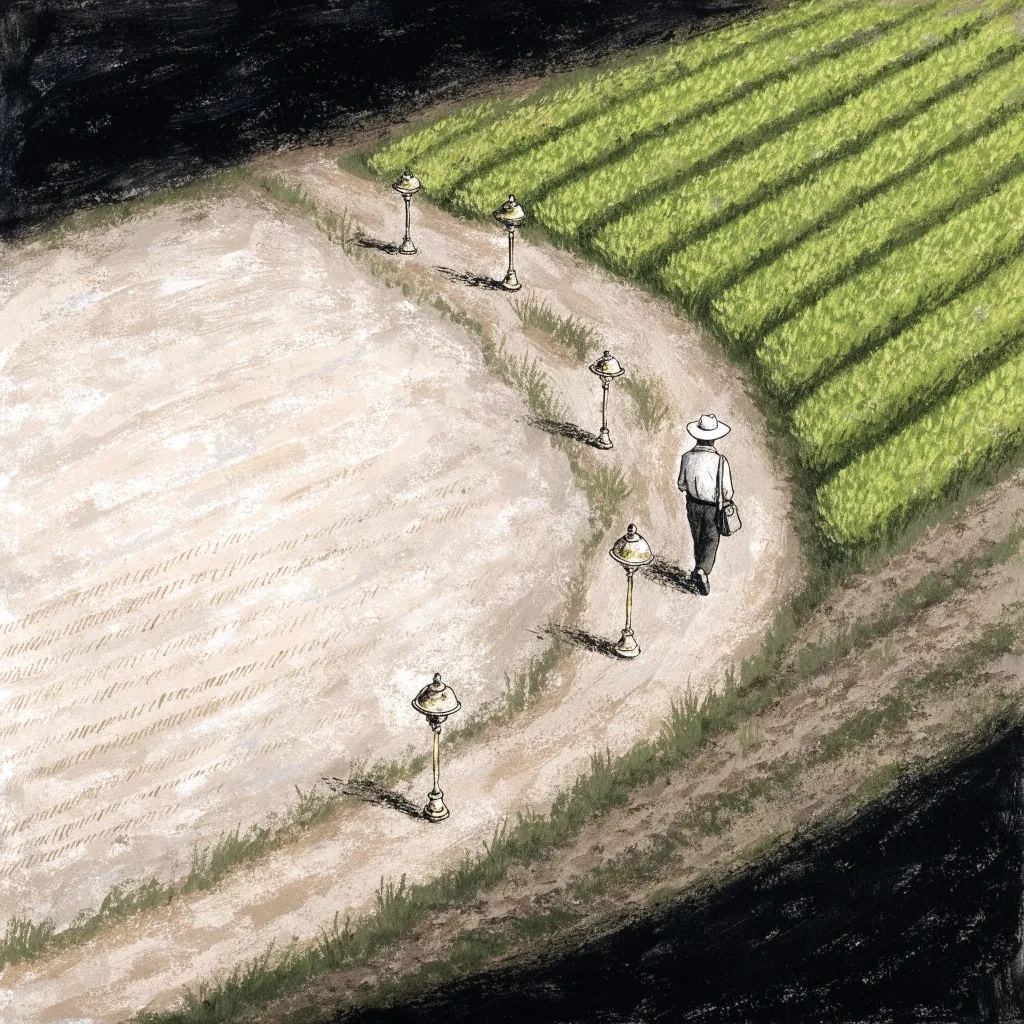
Three to six month blocks
Three more engineers, a technical artist, or a producer who pushes the project over the line. We plug into your codebase and your repository stays yours.
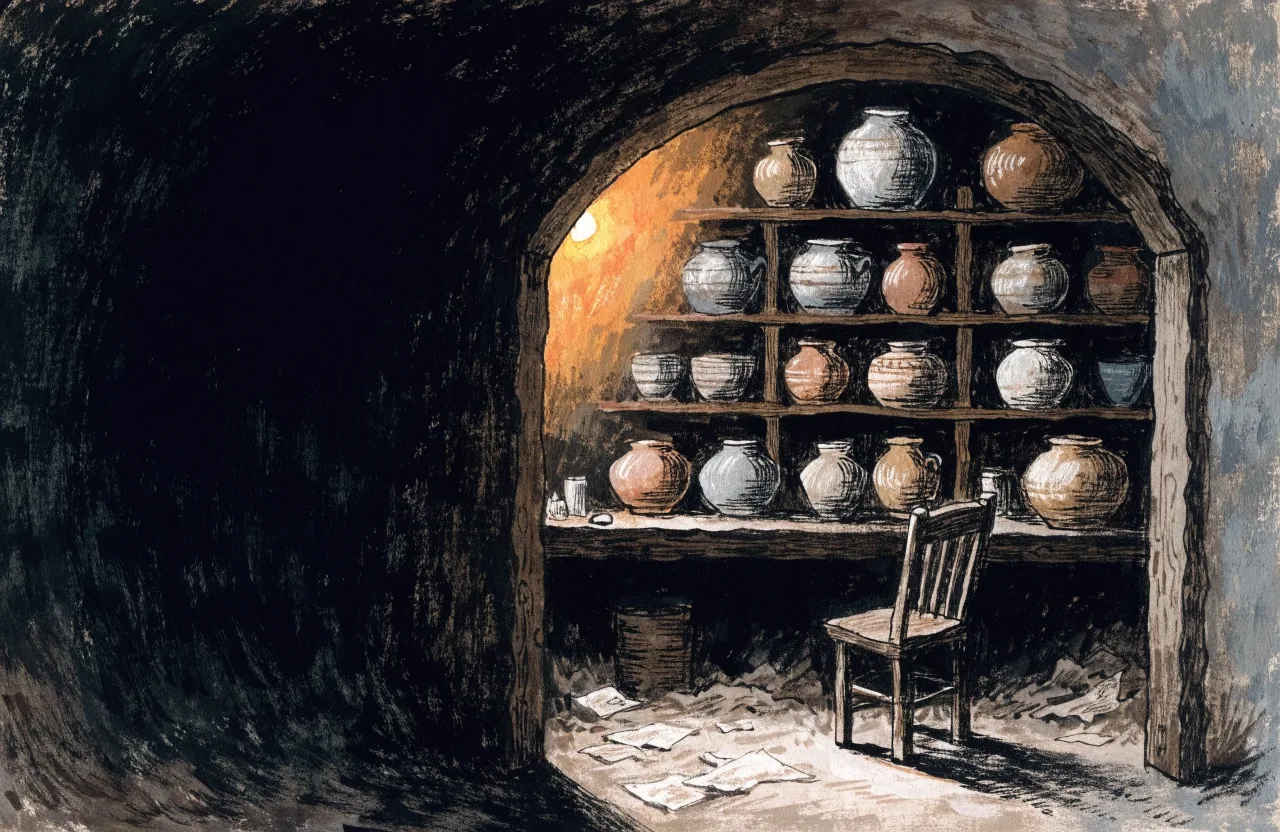
Six-week prototypes
Prototypes built to test one design question, vertical slices for a pitch deck, or a second pair of hands on mechanics that need to move faster.
From there, work runs in two to four week blocks. Each block ends with something you can open — a TestFlight build, a Steam playtest key, an internal APK. We do not ask for feedback on a slide.
Platform and engine decisions cost the most to reverse, so we make them in week one rather than month three. Here is the shape of the work we take on.
We have shipped Unity and Unreal both, and we will tell you when your idea is better served by the engine you did not ask about. Porting a finished game is a different job from building fresh — pricing it like the original build is the mistake we see most often.
An MVP is the version of your product that answers the riskiest question you have. If the question is whether people finish the onboarding, the MVP is the onboarding. If it is whether the core loop holds attention for ten minutes, the MVP is that loop and very little else. Our UK clients tend to care about this more than they care about pixel polish at this stage, and they are usually right.
Some clients do not want a studio. They want three more engineers, a technical artist, or a producer who can push a project over the line. That is the co-development model, and it works when roles are clear and someone owns the roadmap.
We plug in at whatever level fits: writing systems inside your codebase, taking a slice of the UI and UX work, or owning the full release pipeline while your leads focus on design. Contracts run in fixed blocks, usually three to six months, with a review point at the end of each. The one condition we hold to: your team keeps the repository, the accounts, and the documentation. If we walk away, the project keeps moving.
Accessibility gets treated as a checkbox at the end of a project. In practice it is cheaper to fold in from the start: scalable text, remappable controls, colour options that survive a colour-blind check, and subtitles that carry meaning and not just sound effects.
Device support sits next to it. Android in particular is a sprawling field of screen sizes and chip sets, and testing on three flagship phones is not testing. We keep a device list for each project and check builds against the oldest hardware you plan to support, on purpose. For games, this often means shipping to consoles with their own accessibility guidelines — and those differ by platform. We read them at the start, not the week before submission.
A launch is a milestone, not the finish line. Apps need crash triage, store reviews answered, and updates kept in step with new OS versions. Live games need content drops, event cycles, economy tuning, and a support path for players who hit walls.
Riverstone Holdings keeps a small retained team for this. You get someone who already knows your codebase, not a fresh contractor reading it for the first time. Response times are agreed in the contract and depend on what tier of support you need. We are honest about where we are not the right fit: if your live game runs at global scale with its own 24/7 team, we are not that. If you need a UK partner who can pick up a bug at 9am and have a fix in a build by Friday, that is closer to what we do.

London, four in the afternoon — the desk where most of the scoping week happens.
A short brief beats a long one. Tell us what the product is for, who uses it, which platforms matter most, and what is already built. If there is a deadline tied to something real, say that too. Attach a design file, a Notion doc, whatever exists — if you have not written anything down yet, send a paragraph.
The email on this page goes to one inbox, read by people who work on the builds — not a sales desk. If it is not a fit, you get an answer that says so, usually with a suggestion of what kind of team would be better.
Riverstone Holdings is based in London and works with clients across the UK and further out. Calls run on UK hours unless a project needs otherwise, and we keep documentation in English from day one so handover is not a translation exercise.
Most of what wins a new project is a client being able to say "they understood the problem in the first call". If you want to test that, the contact page is one click away and the reply is a real one.
Talk to the teamA small team ships differently than a big one. Decisions take hours, not steering meetings. The person who wrote the scope is often the person writing the code, and nothing gets lost in a handover that never needed to happen.
The tradeoff is honest: we cannot staff a hundred-person project. When a brief needs that level, we say so early. There is room for every kind of studio in the UK. Our bet is simply that most good products do not need a hundred people — they need ten who care.
Studio
12 Clerkenwell Road, London EC1M 5PQ
Hours
Monday to Friday, 9:00 AM – 6:00 PM
Phone
Short, honest answers — the same ones we give on a first call. If yours is not here, the contact page reaches a real person.
The difference shows up in what they ship and how they maintain it. A web agency can build a good responsive site; a mobile studio should be comfortable with native APIs, app store review processes, push notifications, offline behaviour, and device testing across older hardware. Ask what platforms they have shipped for and how they handle updates when a new OS version lands.
It depends on what the product does. Native gives the best access to device features and the cleanest performance, but costs more per platform. Cross-platform frameworks like Flutter or React Native cover most consumer apps at a lower total cost. Hybrid approaches suit content-heavy products that do not lean on device hardware. Our scoping week usually settles this before any code gets written.
A game studio owns and builds its own titles. A publisher funds projects, handles marketing and distribution, and often owns the IP. A co-development partner joins someone else's project to add capacity or specific skills. Riverstone Holdings works mainly in the third mode, and sometimes the first when original IP is involved.
A focused mobile MVP usually runs a few months from signed scope to working build. A small game prototype or vertical slice often lands in a similar window. Anything with online features, accounts, or payments adds time. Dates get set after the scope exists, not before.
Unity is the default for most mobile and mid-scope PC work, and it has the deepest pool of contractors if you later need to grow. Unreal Engine is the right call when rendering, large environments, or console-first production are the centre of the project. Godot is growing in the indie space but has a smaller hiring pool. We work in Unity and Unreal and will tell you which one your idea suits.
On the design side, that means scalable text, remappable controls, colour options that survive a colour-blind check, and subtitles that carry meaning. On the technical side, it means testing against the oldest hardware you plan to support, not just the newest phones. Both should be in the budget from the start. Retrofitting them later is more expensive and often worse.
There is no single price for "an app". A two-screen MVP and a live mobile game with an economy are not in the same range, and quotes that pretend otherwise are setting up a bad conversation six weeks in.
What we can say: scoping is a fixed, small fee that gets credited against the build if you continue. Builds are quoted per milestone, not as a lump sum. Retained live-ops sits on a monthly rate with a defined response window.
Timings depend on scope and on how quickly decisions come back. A mobile MVP typically runs a few months; a mid-scope PC or console title runs through several quarters. Anyone who quotes a date before the scope is written is guessing.
Scoping week
Fixed
Credited against the build if you continue.
Per milestone
Block
Each block quoted separately, own deliverable.
Retained live-ops
Monthly
Monthly rate, defined response window.
Where the real proof lives: the shape of our work — which platforms we build for, which engines we are fluent in, and which engagements we take.
Read the studio notes