Riverstone Holdings Riverstone Holdings

Services · scoping to live-ops

Hire a build team that hands over the keys

The window is lit. Come build something — for iOS, Android, PC or console.

Most clients arrive with one of three things: a concept that needs to exist, a project that needs more hands, or a product already live that needs someone to look after it. What follows is what we actually do in each case.

build · v0.9
iOS · Android · PC · console scoping week

A working app window: three status lights, a toolbar, four sidebar rows and a content area. This is the studio's own build surface, not a screenshot.

Engagement models

Three ways in — pick the one your stage asks for

If none of these fit cleanly, send a short brief and we will point you at the closest one. We would rather have that conversation than sell you a service you do not need.

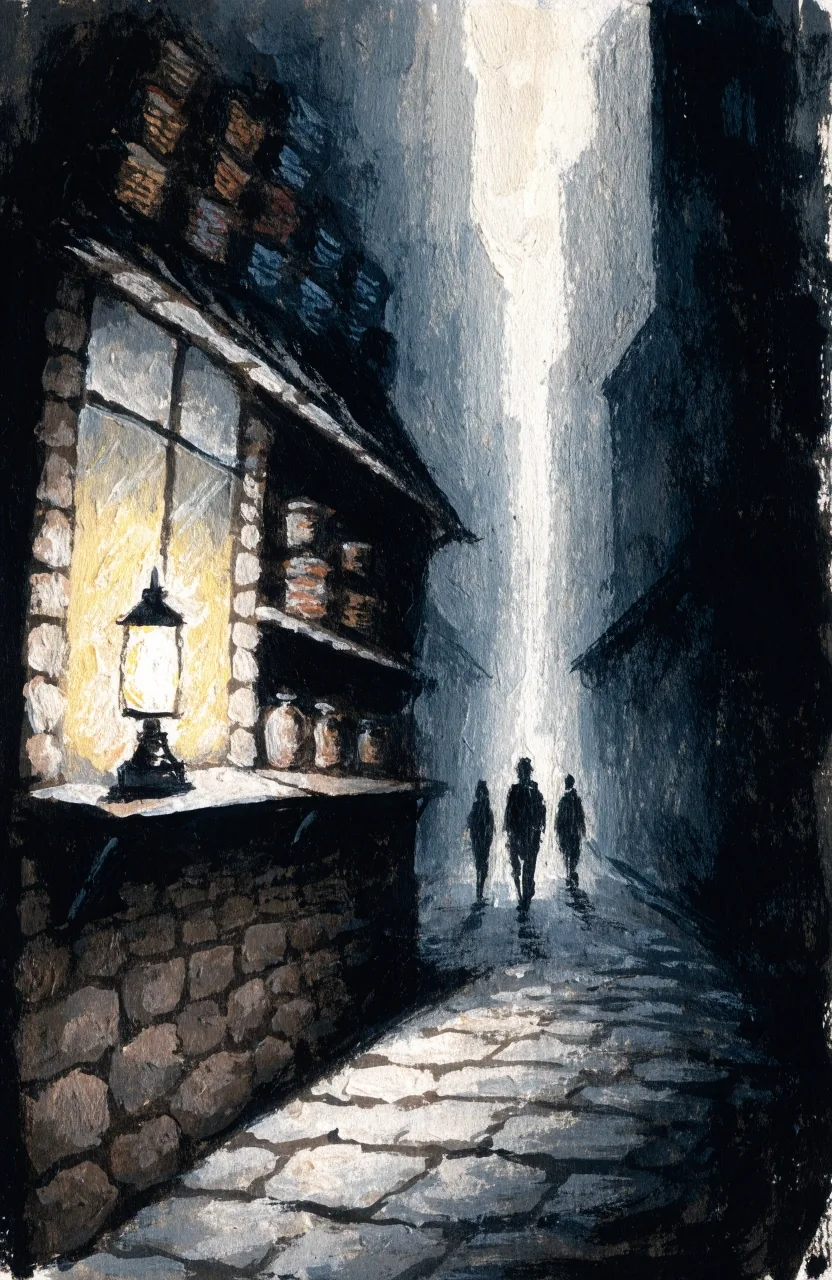
Painted dusk market alley with a lamplit stone stall and silhouetted figures

Model A

End-to-end product builds

Scoping through launch on one contract — product design, technical architecture, build, testing, store submission. Fixed blocks with a review at the end of each: you see the build on a real device and decide what goes into the next block.

iOS · Android · web-backed · PC · console
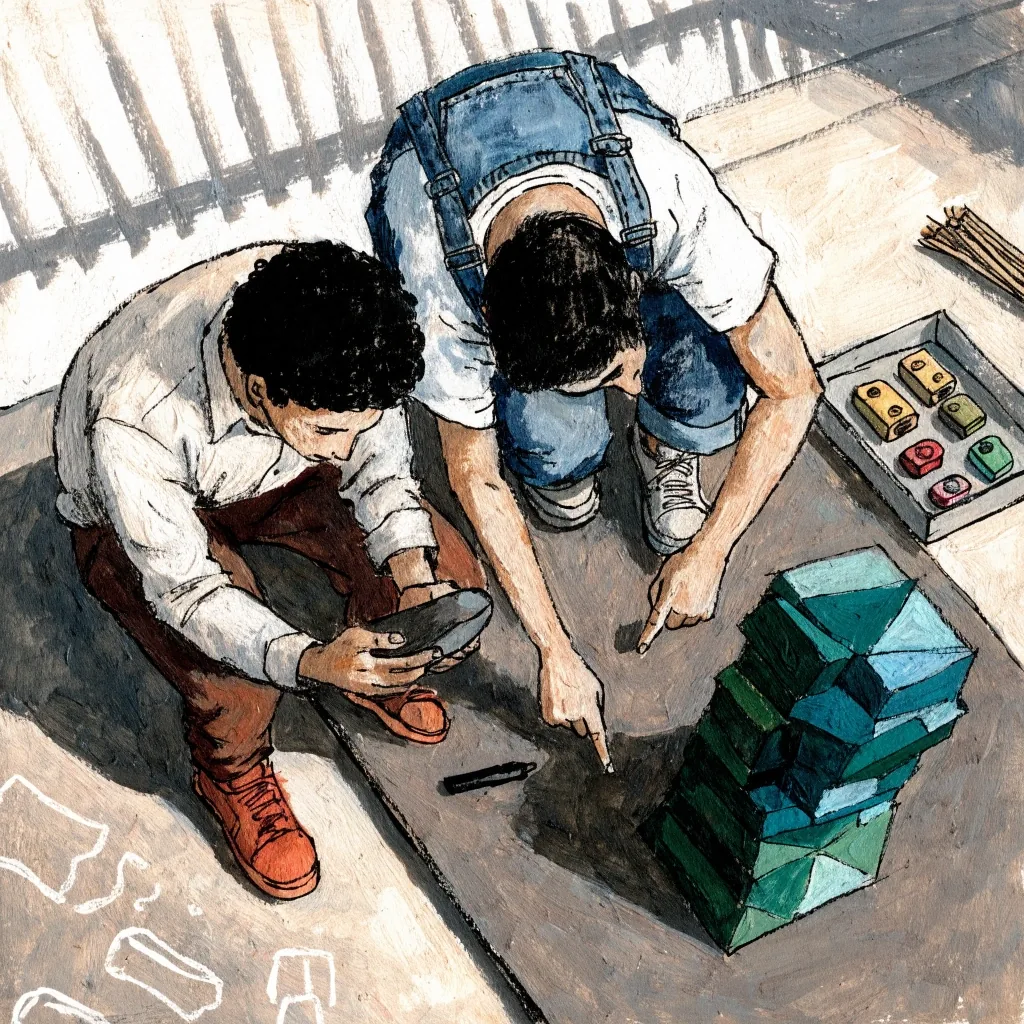
Painted overhead mobile game vista: garden crop rows at morning with tiny lamps and a walking figure

Model B

Mobile apps, iOS and Android

Where most of our app work sits: consumer subscriptions, field tools, companion apps. We test on a device list agreed at the start — and on the oldest phone on that list, because knowing an app works on current hardware is not the same thing.

Native or Flutter / React Native

Painted lamplit workroom with jars on shelves, seen through an arched doorway

Model C

Co-development and embedded teams

Three more engineers, a technical artist, or a producer who pushes the project over the line. Blocks of three to six months. Your team keeps the repository, the accounts and the documentation.

3–6 month blocks · review each

The rest of this page covers the work that sits inside or beside those models: game development, MVP sprints, porting, design, and live-ops support — plus the briefs we turn down, because that saves everyone a call.

Service ledger

The rest of the plate — what we build and support

A Game development — mobile to console Unity · Unreal
B MVP delivery for founders and small teams Fixed scope
C Platform porting and legacy modernisation Mobile · console
D UI/UX and product design Alongside build
E Live-ops readiness and post-launch support Retained

Where we are not the right fit

We turn down work when the fit is wrong. If your brief needs a hundred people, we are not that. If it needs a global 24/7 live-ops team, we are not that either. If you want the cheapest possible build with no involvement from your side, we are almost certainly the wrong choice.

What we are good at is small teams that ship, with clients who want to be in the room. That is the whole business.

Painted reproduction of a running game menu: rounded panel, icon tiles, status dot strip and a portrait area — no readable text
Shipped game menu — painted from the running build Co-developed

How an engagement starts

A call, a scoping week, then a build quoted per milestone

Step one · the call

Thirty minutes, then a straight answer on fit

You describe the product, we ask questions, and by the end we can usually say whether we are a fit and what the next move would be. If we are not the right studio for the brief, we will say so on that call rather than three weeks into a contract. We would rather hand you a useful referral than start a project badly.

Step two · the scoping week

Five working days, cut to a scope you can actually fund

Week one is scoping. We sit with your brief, cut it to a scope that matches your funding and your launch window, and write it down. The scoping week produces a written scope you own whether or not you continue with us: platform targets, the feature list in order, the integrations that carry a real risk, and the assumptions behind the estimate.

Scope fees are fixed, small, and credited against the build if you proceed.

Step three · milestone by milestone

Quoted per milestone, so you can stop between them

After the scoping week the build is quoted per milestone rather than as a lump sum. Each milestone closes with a review on a real device. If the project direction changes, you can stop at a milestone boundary — you keep the source, the accounts and the documentation either way. That is what "hands over the keys" means in practice.

Working with a publisher

We fit into their cadence, not ours

If you are working with a publisher on a game, we can adopt their milestone structure, their build review cadence and their reporting format. On the games side this is how most co-development actually runs — we plug into a structure that already exists rather than asking you to invent a second one.

Game development

Mobile titles, mid-scope PC games, and console projects that need extra hands

Vertical slices for pitching, full productions, and ports of finished games to platforms they were not built for. Game work has a different rhythm from app work: design questions need answers before art is committed, and a prototype that answers one question well beats a demo that answers none. We build those prototypes quickly and cheaply on purpose.

MVP delivery

The smallest build that answers your riskiest question

Founders often arrive with a screenshot of a competitor and a feature list copied from it. Our job is to cut that list down to the version that tells you whether people finish onboarding, whether the core loop holds attention, or whether a specific integration really works on real devices. An MVP is not a small version of the full product — it is a different thing, built for a different purpose. Extras come in a clearly marked follow-on block rather than quietly appearing in the invoice.

Design and live-ops

Design alongside the build, then someone who knows the codebase after launch

Design runs alongside the build, adjusting as the product takes shape — flows, states, the dull screens nobody thinks about until a user gets stuck. After launch: crash triage, OS version updates, store review responses and small feature work for apps; content drops, event cycles and balance tuning for games. Retained monthly with an agreed response window, and a small retained team rather than a global 24/7 operation.

Platform porting and legacy modernisation

Porting is its own discipline. Moving an Android game to iOS, a PC title to console, or an older app to a current SDK is not the same job as building fresh, and pricing it that way usually goes badly. We handle ports for mobile and console targets, plus modernisation work on apps that were built years ago and now fail on new OS versions: updating dependencies, replacing deprecated APIs, and getting a store submission through review that has been failing quietly for a while. Legacy modernisation is unglamorous work — it is also the cheapest way to extend a product's life before a full rebuild.

Painted wide view across a small studio desk at four in the afternoon — desk lamp, low-poly maquette, plant and paper cup

The desk at 4pm — the same lamp, the same board, the same small teams that ship.

Send us the brief

Tell us the stage and we will tell you the fit

A short brief is enough. If you are not sure which of these models fits, say so — we will point you at the closest one and tell you honestly if none of them do.

Monday to Friday, 9:00 AM – 6:00 PM · 12 Clerkenwell Road, London EC1M 5PQ

Read the studio notes